Hi There,
I'm Nitish John Rawat
Bridging
See What I Build

I design and build intelligent systems at the intersection of machine learning, robotics, and software engineering. My work focuses on turning research ideas into practical, scalable solutions from robotic manipulation in simulation to ML models and AI agents for real-world medical and educational applications.
My work focuses on what truly matters: reliable systems, clean and secure design, and intelligent automation — building technology that scales, adapts, and delivers real-world impact. Recently, this has included designing autonomous AI agents that combine LLM reasoning with deterministic workflows for real-time, task-driven applications.
Education: Master’s in Computer Science (Completed) : Clark University
Open to: New opportunities in AI, robotics, or software engineering (Web/Mobile)
where I can build intelligent systems and continue growing as a lifelong learner.
Surgical Decision Making for Renal Cell Carcinoma using Machine Learning Models
In: Machine Learning for Cancer and Healthcare Systems Research, Taylor & Francis (Accepted, to appear)
Feature Selection for Renal Cancer Across Geographic Regions using AI Techniques
In: Machine Learning for Cancer and Healthcare Systems Research, Taylor & Francis (Accepted, to appear)
email : nitishjohnrawat@gmail.com
place : Boston, US
Education is not the learning of facts, but the training of the mind to think.
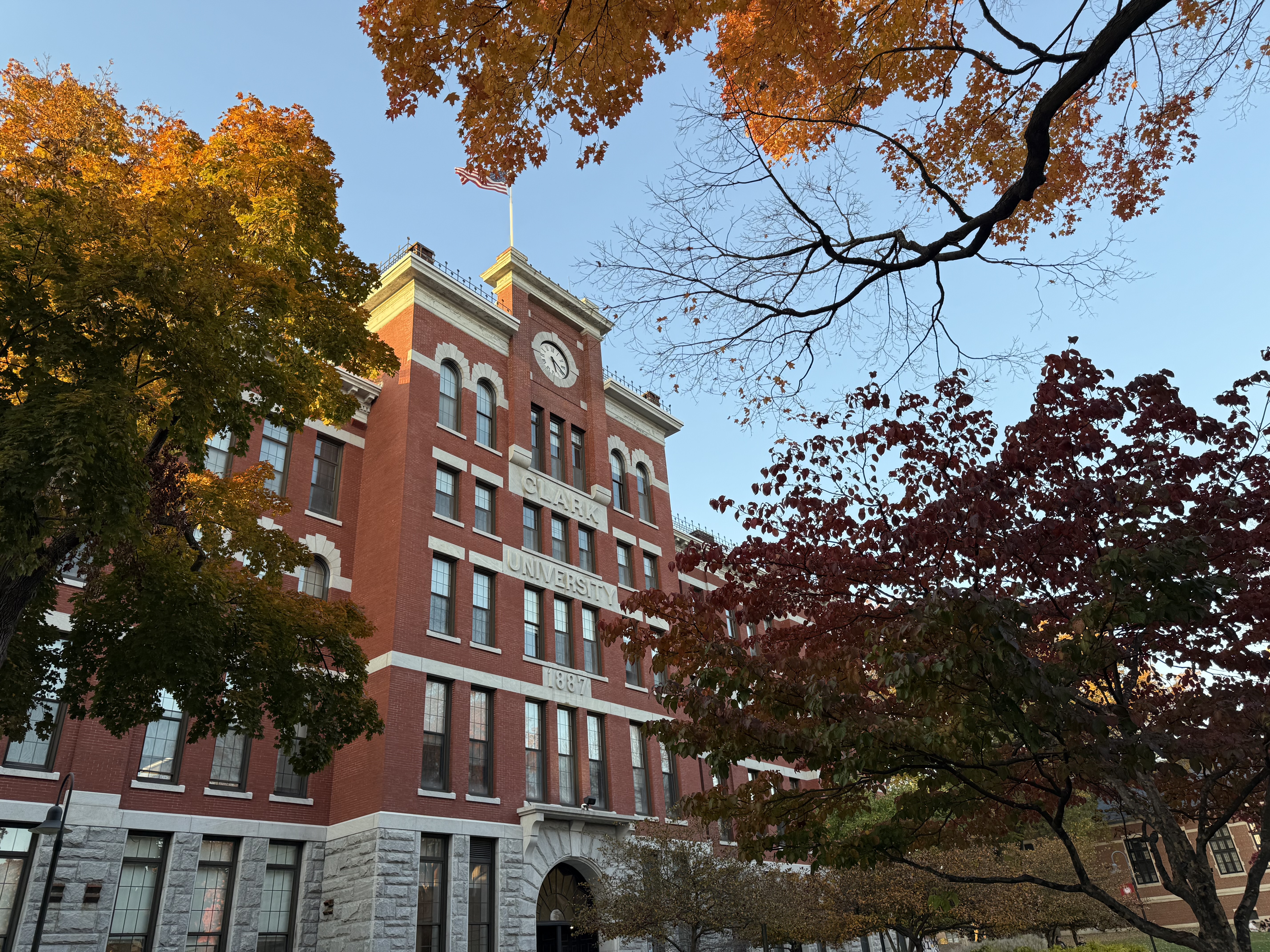
Clark University, Worcester, MA
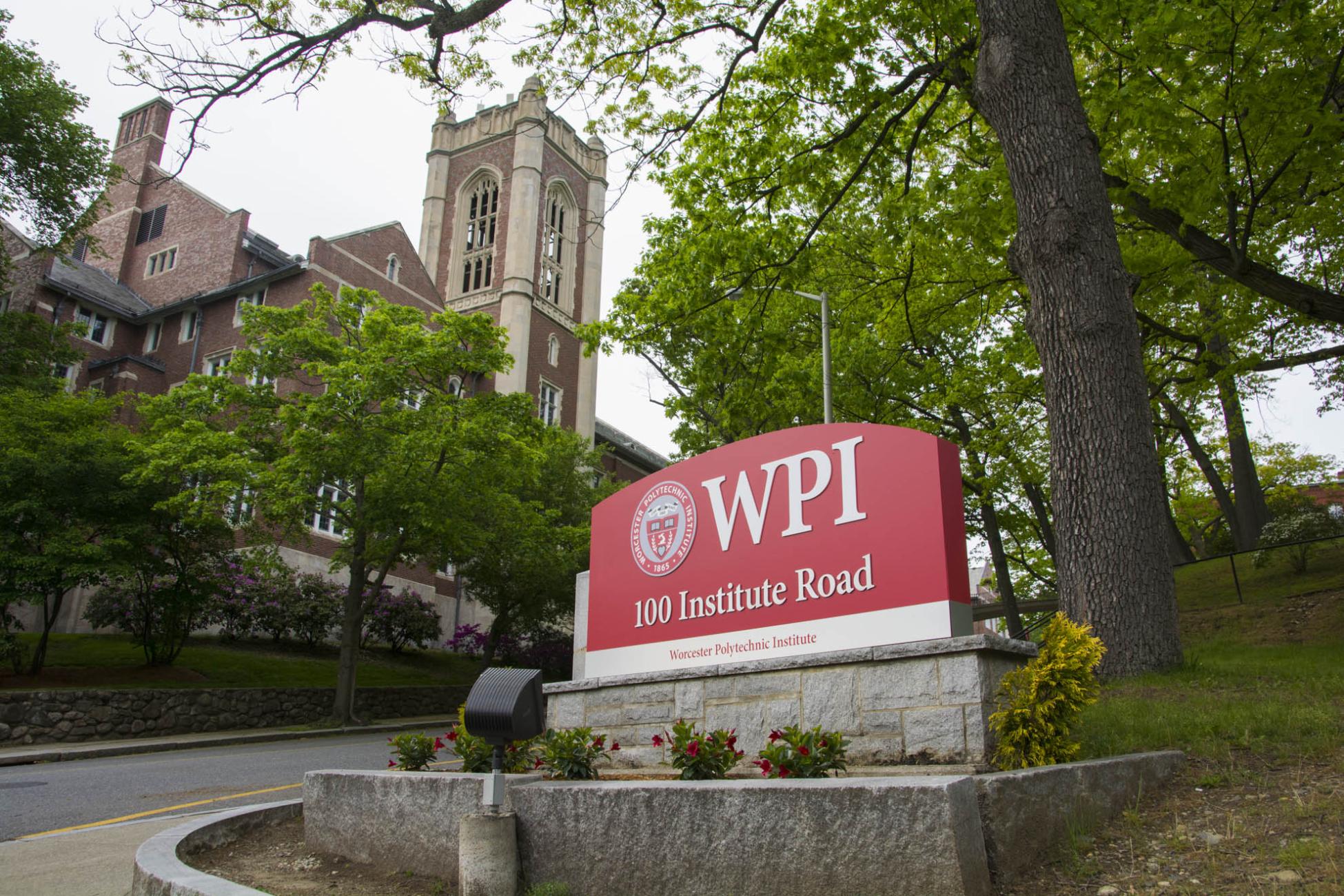
Worcester Polytechnic Institute, Worcester, MA
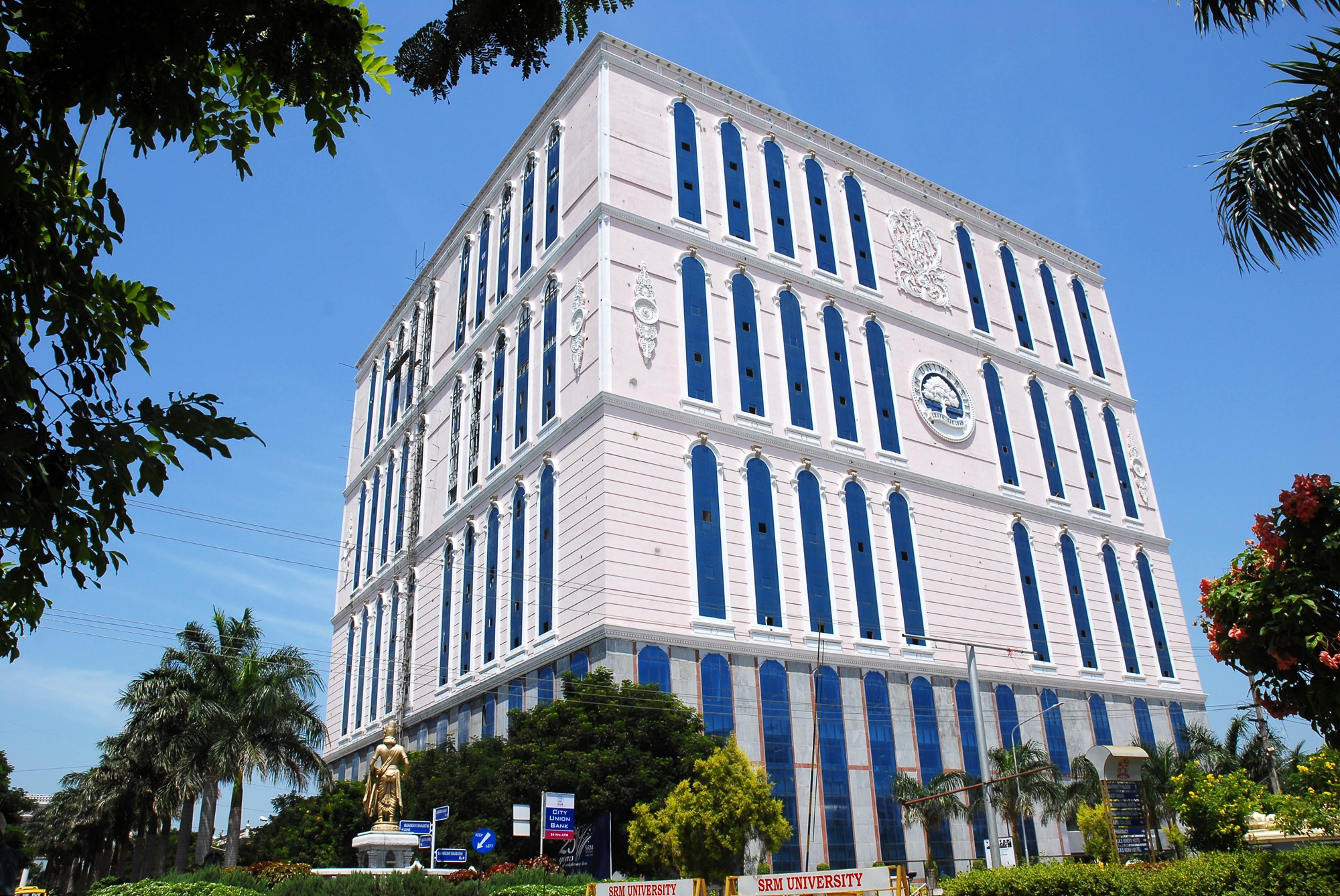
SRM Institute of Science and Technology, Chennai, India
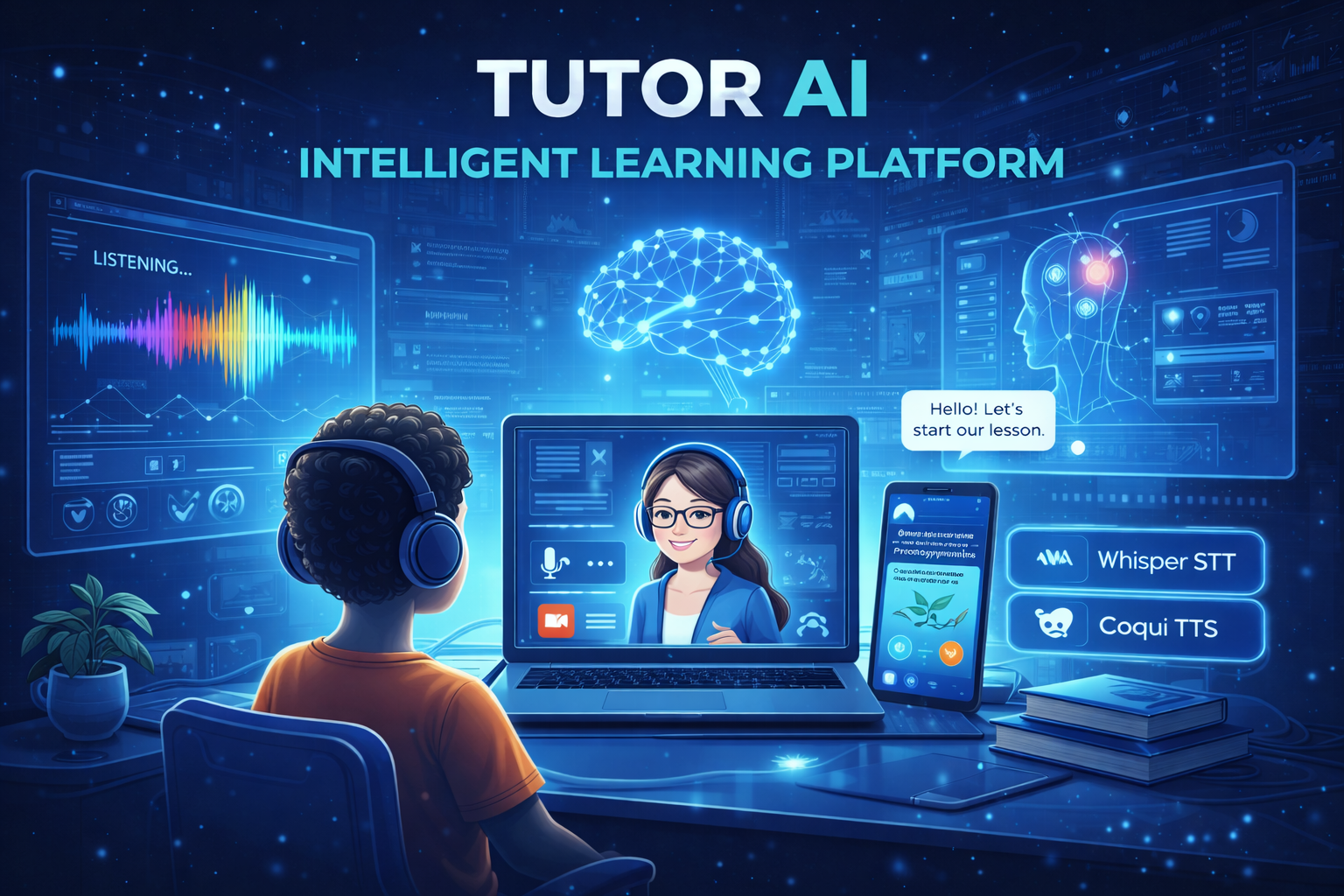
AI-powered tutoring platform with voice-guided lessons using Whisper STT and Coqui TTS. Designed a deterministic LLM pipeline with adaptive learning analysis and a full-stack architecture deployed on AWS.
Code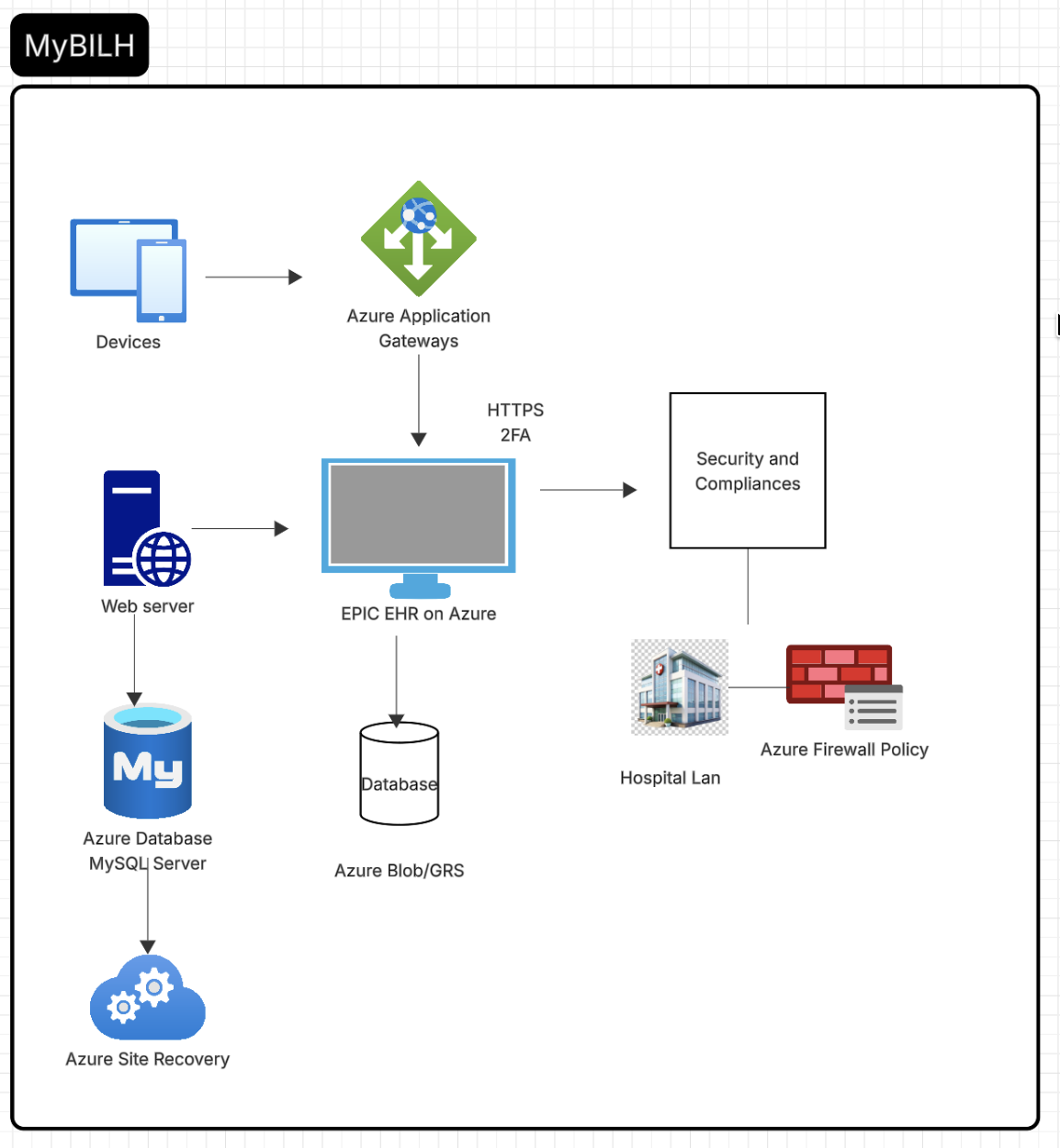
Designed a secure, cloud-based healthcare application architecture for MyBILH Chart (Epic EHR). The project evaluated Azure deployment strategy, HIPAA compliance, security risks, disaster recovery, and enterprise-scale data storage.
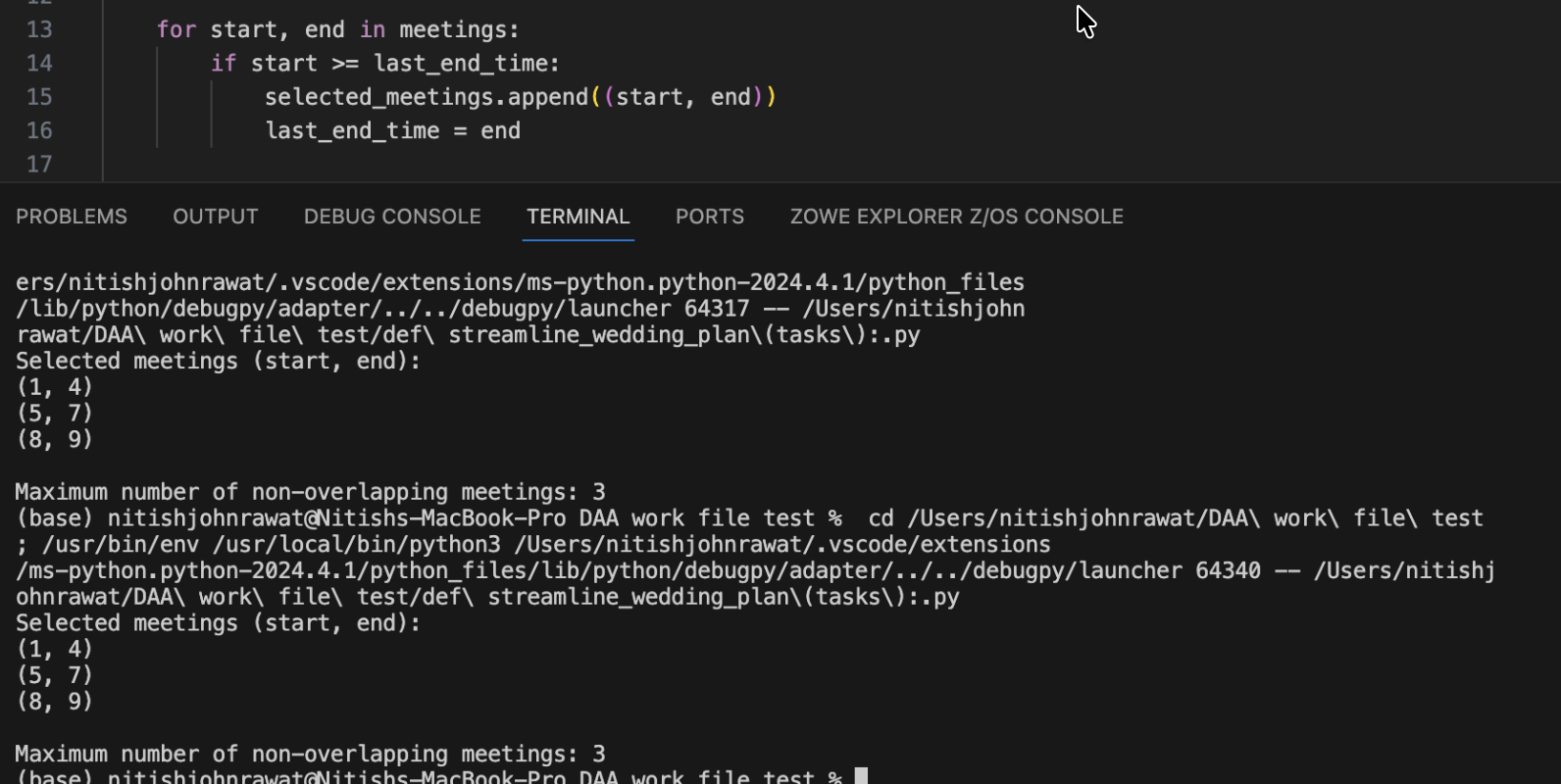
Academic project exploring the Presorting technique as an instance of the Transform-and-Conquer paradigm in algorithm design. Analyzed classical problems including element uniqueness, closest pair, convex hull, and meeting scheduling with formal time and space complexity evaluation.
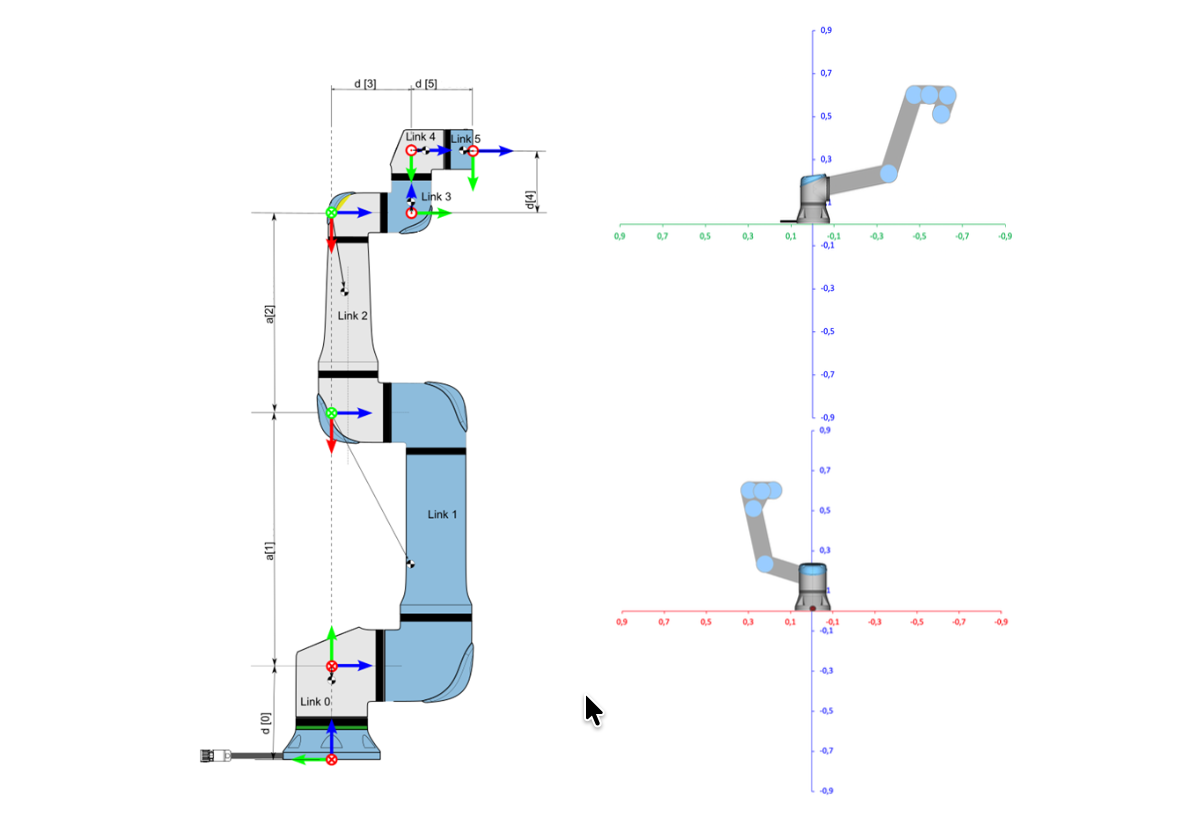
Implemented analytical and SGD-based linear regression models and MLPs to predict UR10 end-effector pose from joint angles. Focused on feature engineering and model comparison.
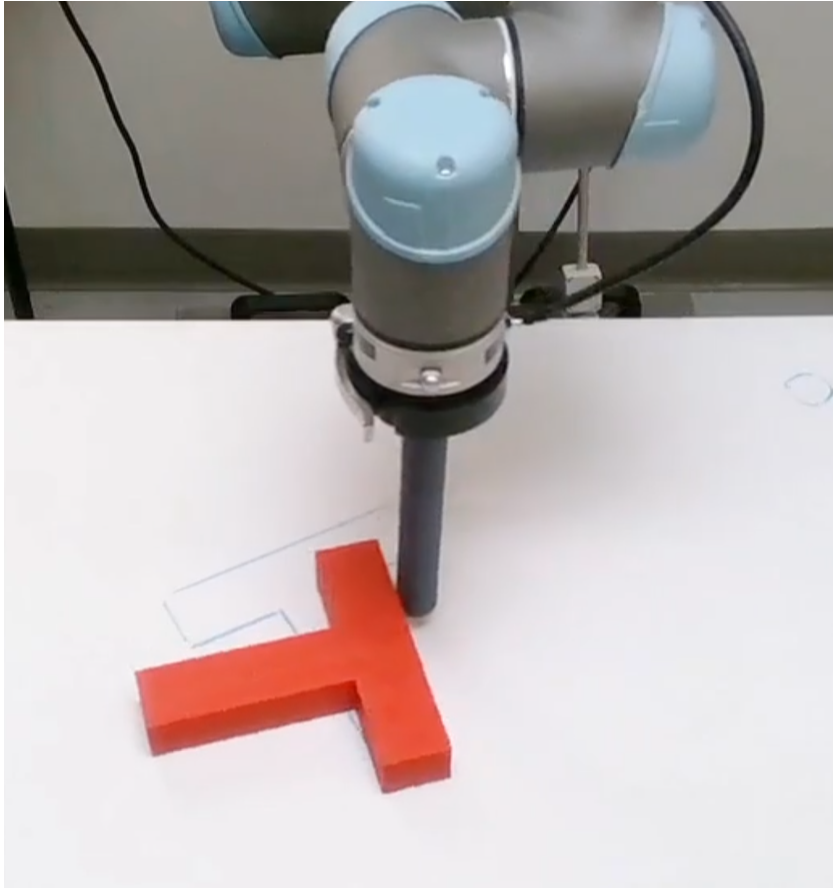
Modeled object push dynamics using physics-based equations, neural networks, and hybrid models. Compared accuracy, loss curves, and trajectory predictions.
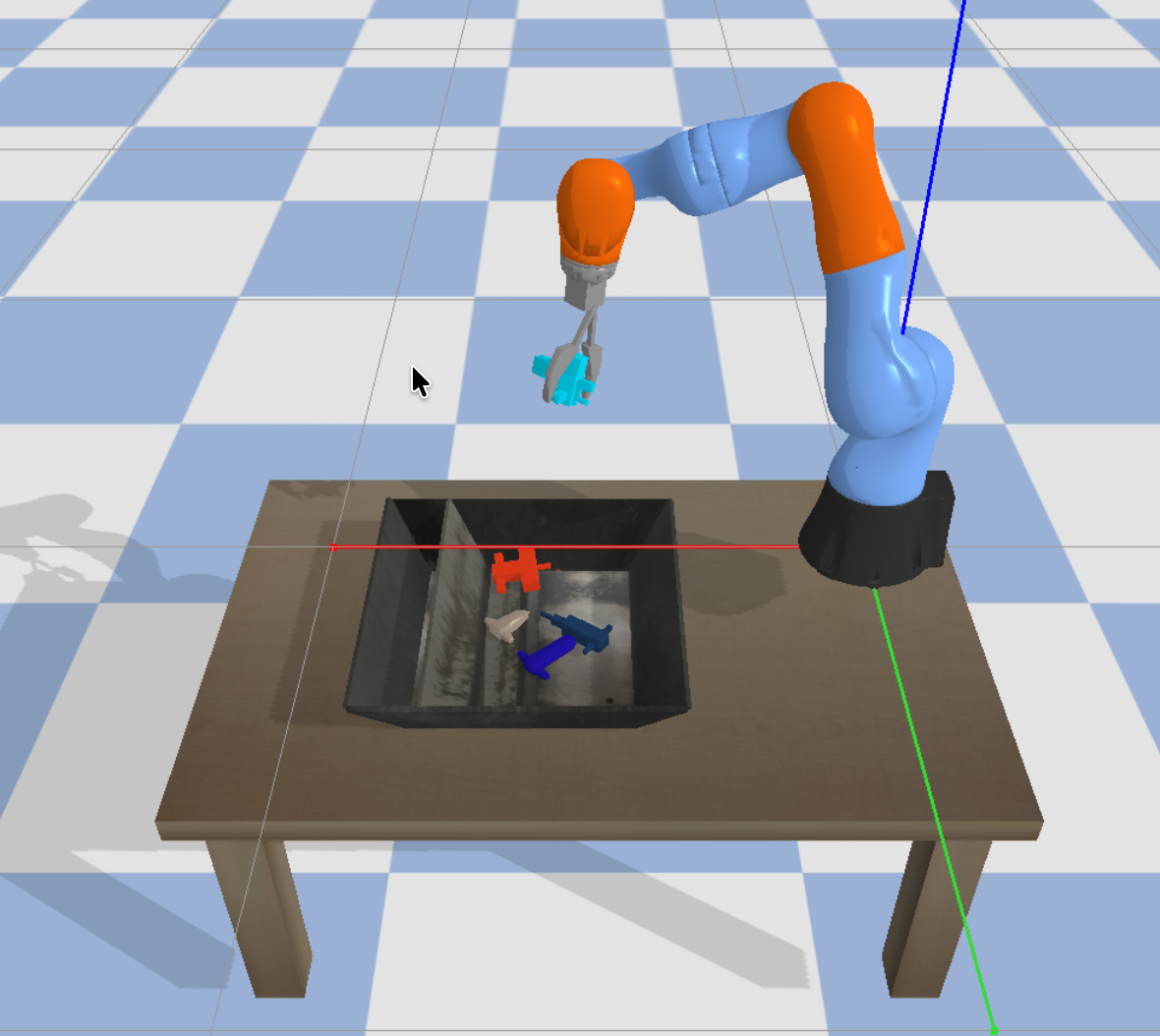
Implemented DDPG and A3C from scratch to train a Kuka robot in PyBullet. Analyzed policy learning, stability, and continuous control performance.
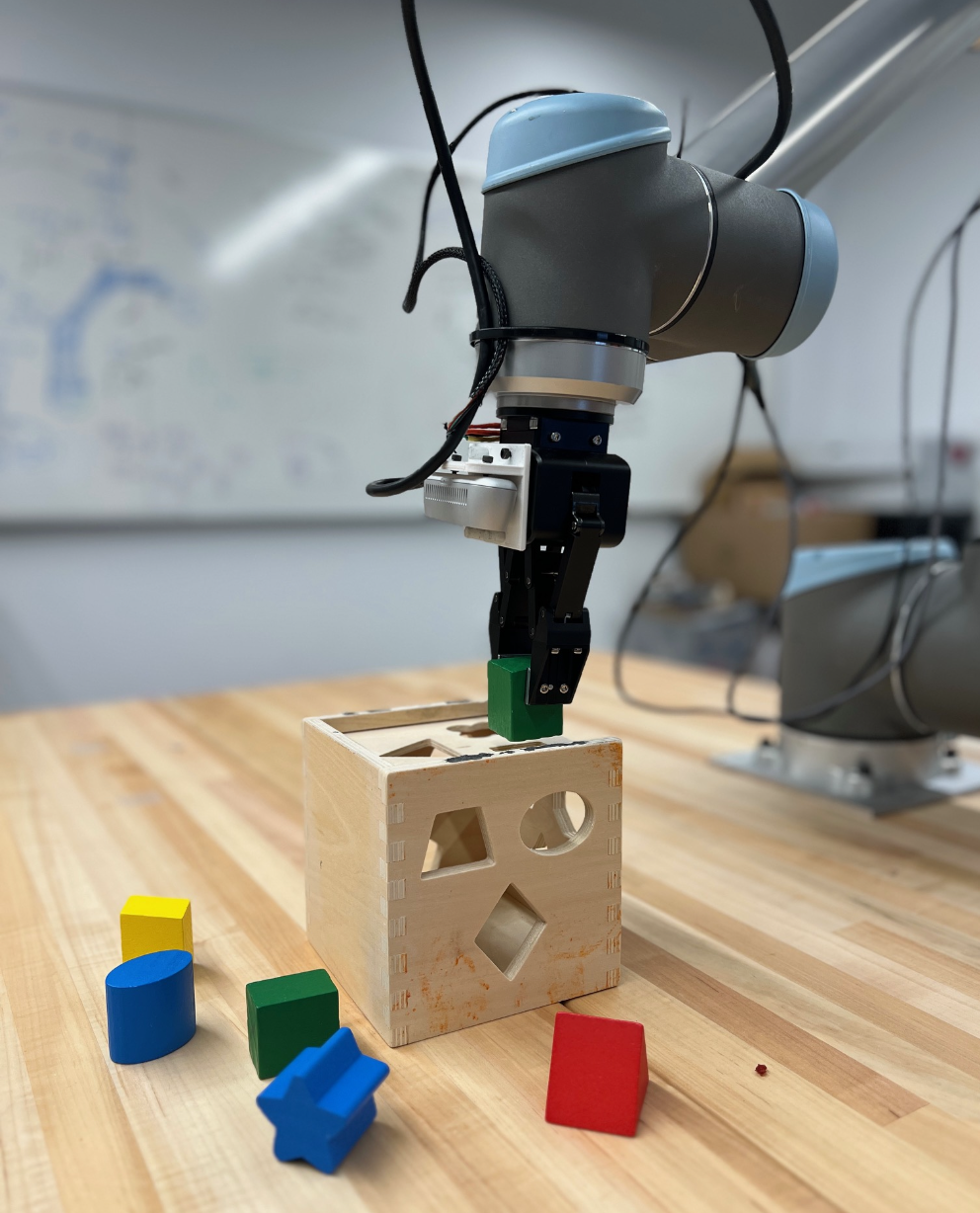
Built an Action Chunking Transformer (ACT) for peg insertion using MuJoCo. Trained on multi-view RGB demonstrations and evaluated closed-loop performance.
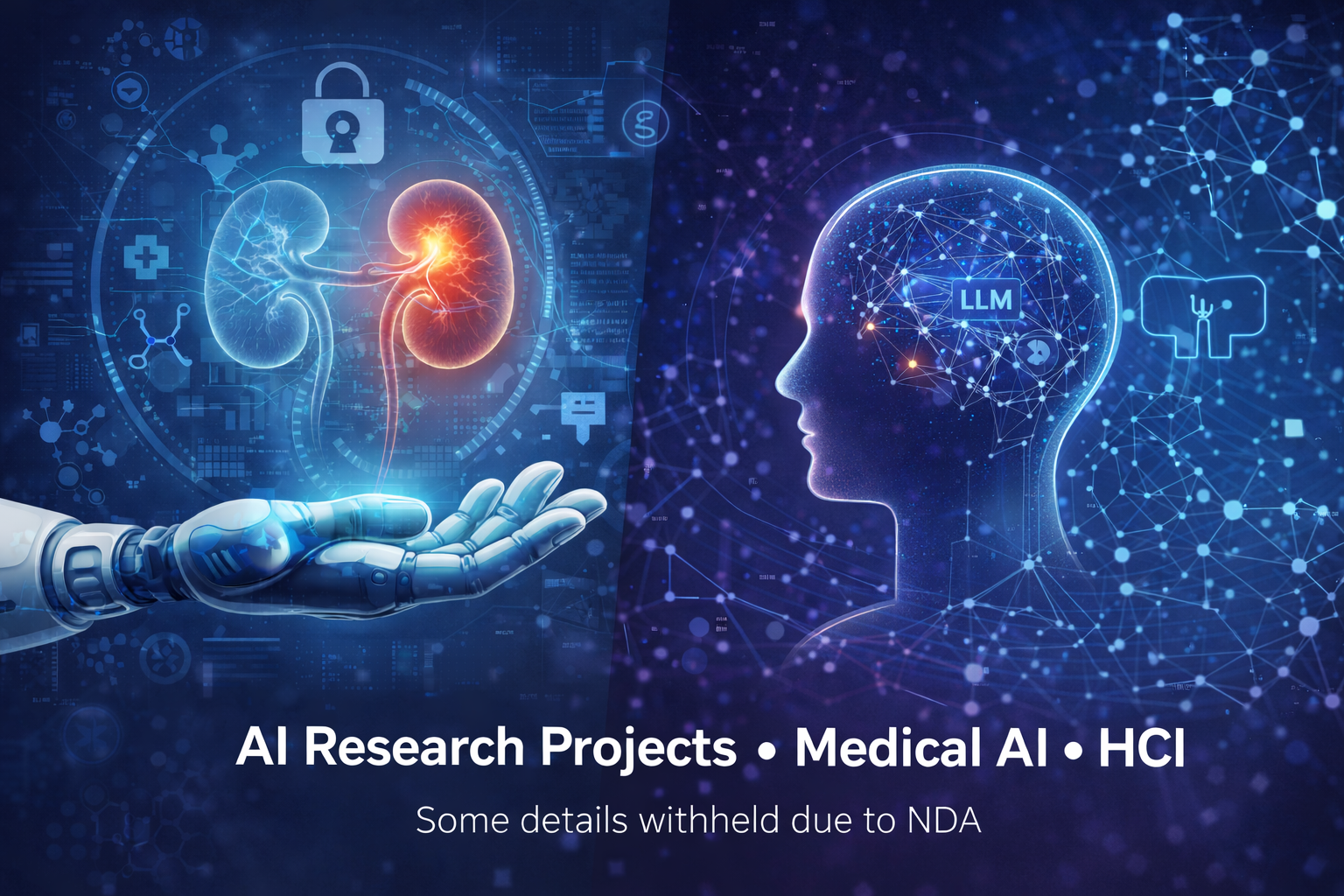
Conducted advanced research projects under non-disclosure agreements spanning healthcare machine learning and human-centered AI. Work included predictive modeling for Renal Cell Carcinoma (RCC) and the development of multi–large language model systems for empathic, emotionally-aware communication.
Responsibilities covered data analysis, model design, evaluation strategies, and ethical considerations in sensitive, real-world environments. Due to NDA restrictions, code, datasets, and detailed results cannot be publicly shared.
Focus Areas: Medical AI, Multi-LLM Systems, Empathic Communication, Healthcare Data, Responsible AI
September 2026 – Present | Boston, MA
Design and deliver AI Algorithms II for graduate students, covering PyTorch, neural networks, transformers, diffusion models, and reinforcement learning. Develop original course materials, assessments, and analytical frameworks while translating complex machine learning concepts for students with varied technical backgrounds. Coordinate with faculty to align curriculum standards and learning outcomes across course formats.
September 2025 – Present | Worcester, MA
Architected and shipped a cross-platform EdTech mobile application using Flutter, Dart, and Swift, owning product architecture, technical roadmap, and CI/CD infrastructure end-to-end. Integrated RESTful APIs and Firebase backend services while making technical and architectural decisions in a fast-moving startup environment. Led technical planning and sprint execution and established engineering standards, code review practices, and development workflows from the ground up.
May 2026 – August 2026 | Cambridge, MA
Taught NVIDIA machine learning and AI curriculum, guiding students through local LLM deployment using Rust, Ubuntu, and Docker and developing edge AI inference workflows with NVIDIA Jetson Inference. Reviewed and debugged 41 student codebases across languages and platforms, achieving a 100% project completion rate through structured milestones. Developed instructional material covering deep learning, computer vision, and edge AI deployment.
May 2025 – May 2026 | Worcester, MA
Implemented and benchmarked ANN, DNN, and XGBoost models for comparative machine learning performance analysis. Led Team Cassini in Large Language Model evaluation research and co-authored two peer-reviewed research works accepted for publication by Taylor & Francis. Managed chapter financial planning and organized hackathons, research workshops, and technical events.